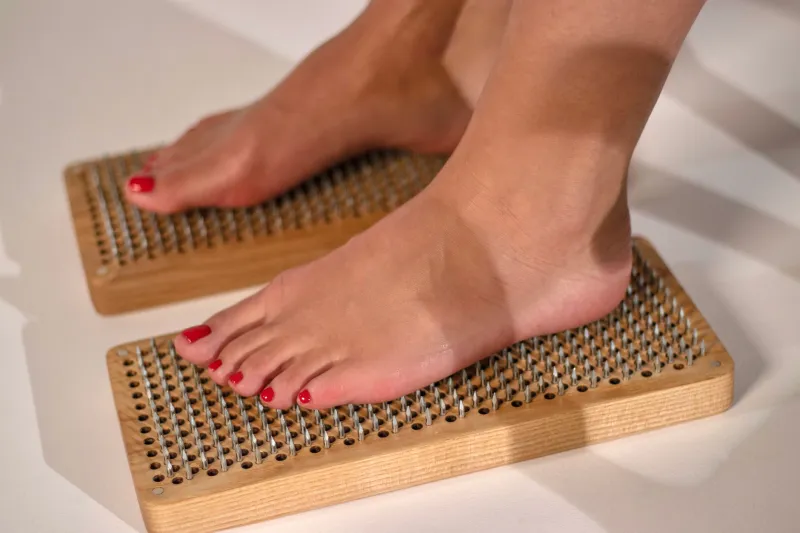
Bring the Spa Home: How to Build a Thai-Inspired Wellness Corner That Actually Works
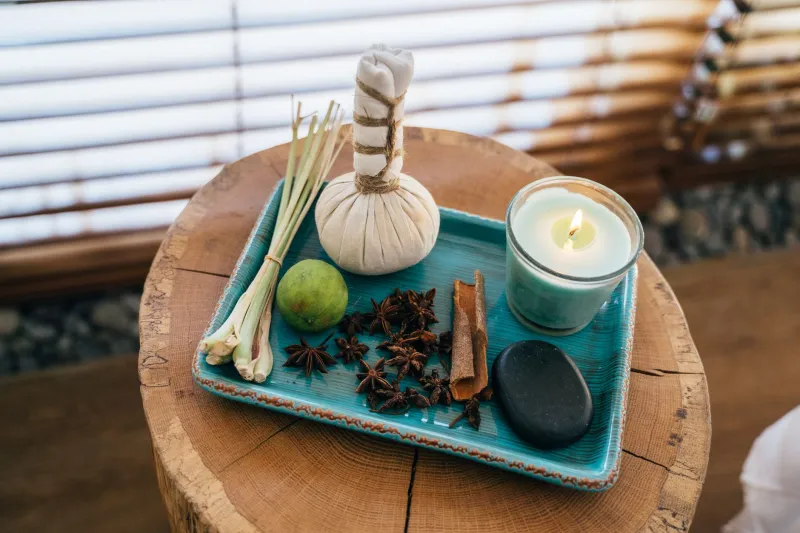
Why Your Environment Matters More Than You Think
Here's something most people don't fully appreciate: relaxation isn't just a mental state. It's a physiological one — and your physical environment plays a huge role in triggering it. The lighting in a room, the scent in the air, the textures under your hands — all of these things send signals to your nervous system about whether it's safe to unwind.
That's exactly why walking into a well-designed Thai spa feels so immediately different from your living room. It's not just aesthetics. It's sensory communication.
The good news? You don't need to replicate an entire spa to get meaningful benefits. Even small, intentional changes to a corner of your home can create a genuine shift in how you feel. At Lek Thai Relaxation, we often hear from clients who want to extend that post-session calm into their everyday lives — and this guide is for them.
Step 1: Choose Your Space Intentionally
You don't need a dedicated room. A corner of your bedroom, a section of a spare room, even a cleared-out area of your living room can work. What matters is that the space feels distinct from your work and daily activity zones.
What to look for:
- Natural light if possible, or the ability to control artificial lighting
- Some degree of separation from high-traffic household areas
- Enough floor space to lie down or stretch comfortably (roughly 6x4 feet minimum)
- A surface where you can place a few key items without clutter
If you live in a smaller apartment — which a lot of us do in cities like New York, Chicago, or LA — even a dedicated floor cushion and a small side table can create a psychological boundary between "relaxation mode" and the rest of your space.
Step 2: Get the Scent Right — It's More Powerful Than You Realize
Aromatherapy is central to Thai wellness tradition, and there's solid science behind why it works. Scent bypasses the thalamus and travels directly to the limbic system — the part of your brain that governs emotion and memory. The right fragrance can trigger a relaxation response almost instantly.
For a Thai-inspired atmosphere, lean toward these scents:
- Lemongrass — bright, clean, and grounding; widely used in traditional Thai healing
- Jasmine — warm and slightly sweet; known to reduce anxiety
- Kaffir lime — citrusy and clarifying; common in Thai herbal compress treatments
- Ylang ylang — floral and calming; excellent for stress relief
- Bergamot — fresh and uplifting; pairs beautifully with heavier florals
A quality essential oil diffuser is your best investment here. Look for ultrasonic diffusers that also humidify the air slightly — particularly useful in dry American climates during winter months. Alternatively, Thai herbal incense sticks or beeswax candles with essential oils work well for shorter sessions.
Avoid synthetic fragrance products. The real thing makes a noticeable difference.
Step 3: Build Your Floor-Level Comfort Zone
Traditional Thai massage and meditation are practiced at floor level — and there's something genuinely grounding about bringing your body closer to the earth. You don't have to abandon your couch entirely, but having a comfortable floor setup invites a different quality of rest.
The essentials:
- A thick foam mat or futon-style floor cushion (look for kapok-filled options for an authentic feel)
- A bolster pillow for supporting your knees or lower back during relaxation
- A lightweight cotton blanket — Thai textiles often feature rich jewel tones like deep teal, saffron, and burgundy
- A small meditation cushion (zafu) if you plan to sit
Layering textures matters here. Natural materials — cotton, linen, bamboo, rattan — communicate warmth and calm in a way that synthetic materials simply don't.
Step 4: Set the Lighting Mood
Harsh overhead lighting is the enemy of relaxation. Your wellness space should use warm, low, indirect light — think sunset tones rather than office fluorescents.
Practical options:
- Salt lamps — emit a warm amber glow and have become widely available at stores like Target and Whole Foods
- String lights with warm-toned bulbs — versatile and inexpensive
- Beeswax candles — beautiful and functional; avoid paraffin, which releases mild toxins when burned
- Smart bulbs — if you want flexibility, a Philips Hue or similar bulb lets you dial down to 2700K or lower for deep relaxation mode
Dimmer switches are worth the small investment if you're setting up a more permanent space.
Step 5: Bring in Simple Thai-Inspired Decor
You don't need to overhaul your home's aesthetic. A few well-chosen objects can shift the energy of a space considerably.
Ideas that work without looking costume-y:
- A small brass Buddha or lotus figurine as a focal point
- Fresh flowers in a simple ceramic vase — orchids and lotus blooms are traditional Thai choices
- A low wooden tray to organize your oils, candles, and accessories
- Woven rattan baskets for storage
- A single piece of Thai silk fabric draped over a chair or folded on a shelf
- Potted plants — bamboo, peace lily, or snake plants clean the air and add life
The goal is simplicity and intention, not maximalism. Thai aesthetic sensibility tends toward clean arrangements with natural materials.
Step 6: Learn Three DIY Self-Massage Techniques
Having a beautiful space is one thing — actually using it for bodywork is another. Here are three simple self-massage techniques drawn from Thai healing traditions that you can practice at home.
Foot pressure point massage: Sit comfortably and cross one foot over your opposite knee. Using your thumb, apply steady circular pressure to the arch of your foot, working from the heel toward the ball. Spend about 30 seconds on each point before moving. This stimulates reflexology zones connected to the spine, digestive system, and adrenal glands.
Neck and shoulder release: Sit upright and place the fingertips of both hands at the base of your skull where it meets your neck. Apply gentle but firm upward pressure and hold for 10-15 seconds. Slowly tilt your head forward and breathe. This targets a key acupressure point associated with tension headaches and neck stiffness.
Forearm and hand release: This one's essential for anyone who types all day. Extend one arm palm-up and use the opposite thumb to work slowly down the center of your forearm from wrist to elbow, applying steady pressure. This releases the flexor tendons and can relieve tension that contributes to wrist pain and fatigue.
Pair these techniques with your aromatherapy setup and you have a genuine mini-wellness ritual.
Step 7: Create a Simple Ritual to Anchor the Space
The most powerful thing you can do is build a consistent routine around your wellness corner. Your nervous system responds to repetition — the same scent, the same lighting, the same sequence of movements signals that it's time to shift modes.
Even 15-20 minutes a few times a week makes a measurable difference over time. Light your diffuser, lower the lights, put on soft ambient music (Thai traditional music playlists are readily available on Spotify), and spend that time on stretching, self-massage, breathing, or simply lying still.
This is how you extend the benefits of professional Thai massage beyond the session itself — by building a daily practice that speaks the same language as your body already knows.
The Bigger Picture
Professional Thai massage at a place like Lek Thai Relaxation will always offer something your home practice can't: the skilled hands of a trained therapist, the depth of proper Sen line work, the full-body reset of a 90-minute session. But what you build at home fills in the days between appointments — and over time, that consistency is where real, lasting wellness lives.
Your home sanctuary doesn't have to be perfect to be powerful. Start with one element — maybe just a diffuser and a decent floor cushion — and build from there. The point isn't to replicate a spa. It's to create a space where your body knows it's allowed to rest.