Boarding Pass, Meet Bodywork: A Flyer's Guide to Undoing 10 Hours in Economy

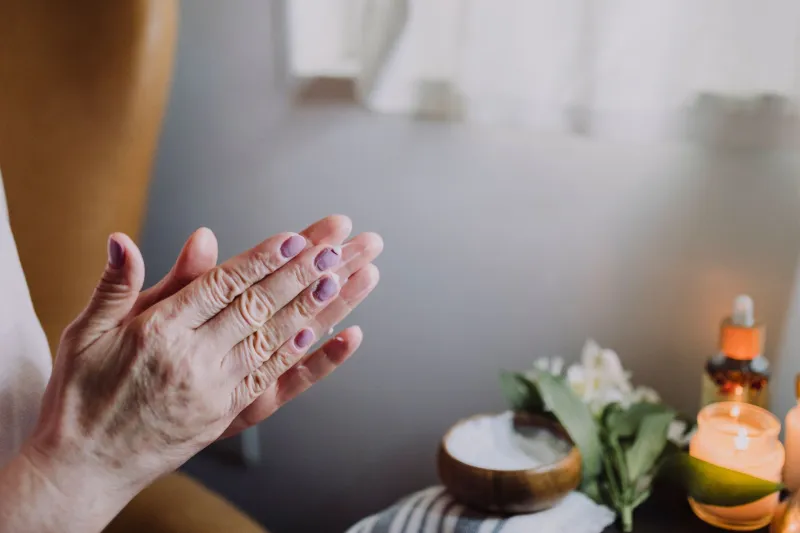
Photo: traveler receiving thai massage at tropical resort spa, via thaigarden.com
Every long-haul flyer knows the itinerary: ten hours in a middle seat, two layovers, an arrival that's somehow 3 a.m. and noon at the same time. What we're less honest about is the physical toll. Flying isn't just tiring — it's a full-body compression event. And there's a reason the remedy shows up in every Bangkok airport spa and luxury resort menu from Phuket to Palm Springs.
What a Long Flight Actually Does to You
Let's do the damage report.
Your spine gets squeezed. Sitting upright for hours loads the lumbar discs far more than standing or lying down. Add cabin pressure changes and low humidity, and by the time you land, your spine has literally lost a little height. That stiff, shortened feeling isn't imaginary.
Your hips lock down. Hours in a hip-flexed position shortens the front of your hips and switches off your glutes. Your body essentially learns the seated position — which is a problem when you then want to walk ten miles sightseeing.
Your legs swell. Limited movement means your calf muscles aren't pumping fluid back up, so blood and lymph pool in the lower legs. Mild swelling is nearly universal on flights over six hours.
Your shoulders become a coat rack. Carry-on bags, neck pillows, and the dreaded 10-hour hunch over a seatback tray leave the upper traps and neck in a permanent shrug.
Your clock is scrambled. Crossing time zones desynchronizes your circadian rhythm, and a nervous system already stressed by travel doesn't help you fall asleep on cue.
Why Thai Massage Became the Traveler's Fix
In Thailand, massage isn't a luxury splurge — it's infrastructure. You'll find massage counters inside Bangkok's Suvarnabhumi Airport, in neighborhood shops on every corner, and on the menu of every resort worth its salt. Travelers figured out long ago that an hour of Thai bodywork hits nearly every flight-related problem at once: the assisted stretches open the hips and spine, the compression work moves fluid through swollen legs, and the rhythmic pacing settles a rattled nervous system better than a third airport coffee ever could.
The Game Plan: Before, After, and In Between
48 hours before you fly: Book a session focused on opening the hips, shoulders, and spine. Going into a long flight with mobile tissue is like stretching before a workout — you're prepping for a known stress. Loosened hips and a decompressed back mean less of the seated position will "stick."
Mid-trip (if you can): On trips longer than a week, a single session around the midpoint keeps things from accumulating. In Southeast Asia this is easy and affordable; in the US, look for a Thai massage studio near your hotel rather than a generic airport kiosk.
Within a day or two of landing — this is the big one: The post-flight session is where Thai massage earns its keep. A full-body session targets everything the flight did: spinal twists to decompress the back, deep hip stretches to undo the seat, work along the legs to move that pooled fluid, and slow rhythmic compression that nudges your nervous system out of travel mode. Many frequent flyers report that a post-flight session is the single fastest route to sleeping on local time — likely because a calmed nervous system finally lets the melatonin do its job.
Even One Session Counts
You don't need a wellness overhaul. One well-timed Thai massage — ideally after the flight home, when your body is at its most wrecked — can reset what a week of travel tightened up. Think of it as the last line item in your trip budget that protects all the others: the walking tours, the surf lessons, the stairs of everywhere.
Your body flies the whole way with you. Give it a landing plan.